Guide Culinaire Marocain : Que Manger à Zagora et la Vallée du Draa
La Petite Kasbah Team
Jan 4, 2026
9 min de lecture352 views
Moroccan cuisine is one of the world's greatest - complex, aromatic, and deeply satisfying. In Zagora, you'll experience authentic home cooking rarely found in tourist areas. Here's your complete food guide.
**Essential Moroccan Dishes**
**Tagine** - The Heart of Moroccan Cuisine
This isn't just a dish - it's a cooking method. The conical clay pot creates steam circulation that slow-cooks meat and vegetables to perfection.
Common varieties:
- **Lamb with prunes and almonds**: Sweet and savory perfection
- **Chicken with preserved lemon and olives**: Tangy and aromatic
- **Beef with vegetables**: Hearty comfort food
- **Fish tagine**: Coastal specialty, occasionally available in Zagora
- **Vegetable tagine**: Seven vegetables bring good luck
Pro tip: The best tagines are made in traditional earthenware pots, not modern metal versions.
**Couscous** - Friday Tradition
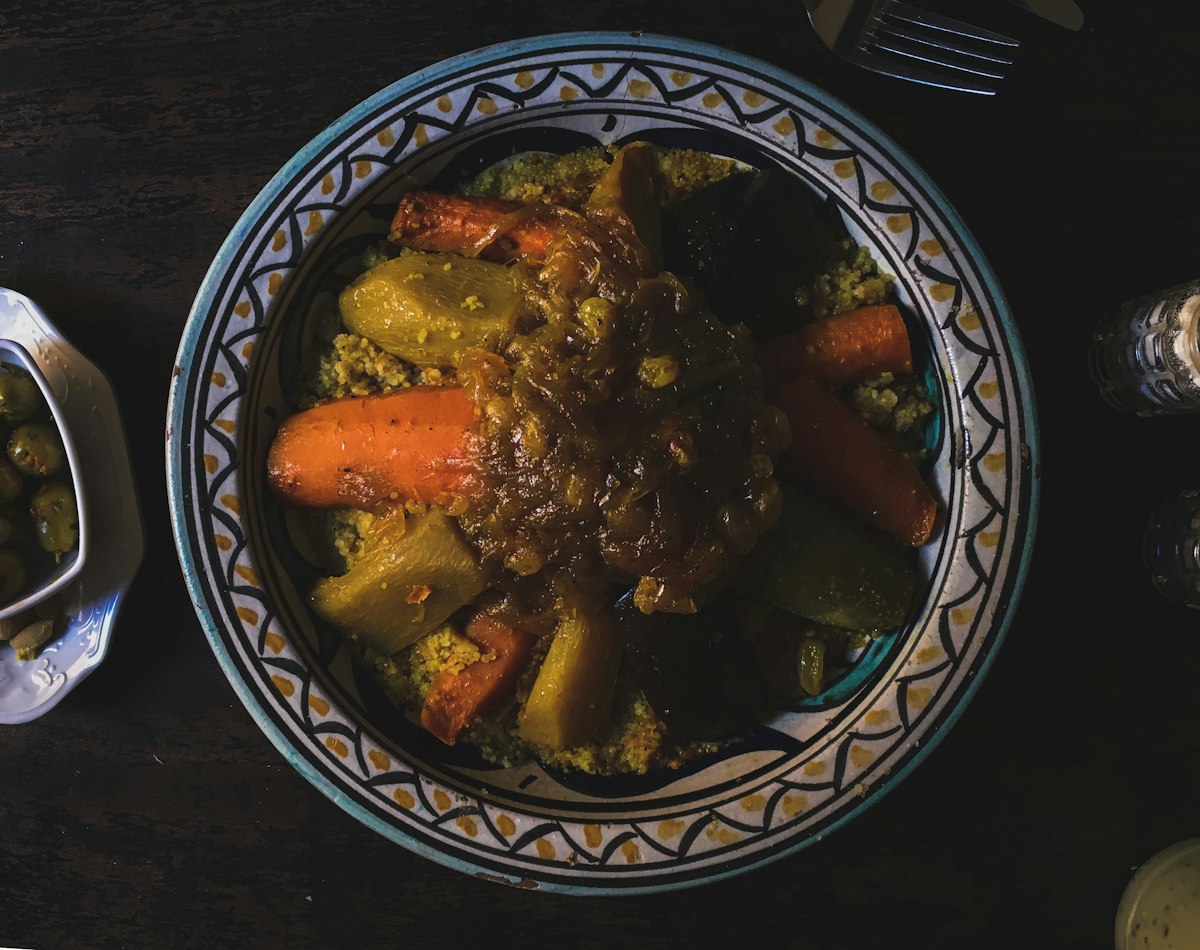
Every Friday, Moroccan families eat couscous. Hand-rolled semolina is steamed multiple times until fluffy, then topped with slow-cooked vegetables and meat in aromatic broth.
Traditionally eaten communally - everyone gathers around one large platter, taking portions from the section in front of them.
**Mechoui** - Slow-Roasted Lamb
Whole lamb slow-roasted in underground pits or traditional ovens. The meat falls off the bone, seasoned simply with cumin and salt. Often served at celebrations.
**Pastilla** - Sweet and Savory Pie
Layers of paper-thin pastry filled with pigeon or chicken, almonds, eggs, and spices, dusted with cinnamon and sugar. Sweet meets savory in unexpected harmony.
**Harira** - Hearty Soup
Tomato-based soup with lentils, chickpeas, lamb, and aromatic spices. Traditional during Ramadan to break fast, but enjoyed year-round. Each family has their secret recipe.
**Moroccan Bread & Breakfast**
**Khobz** - Round flatbread baked fresh daily in communal ovens. Bread accompanies every meal and is used as an eating utensil.
Traditional breakfast includes:
- Fresh khobz with butter and honey
- Msemen or rghaif (flaky flatbreads)
- Baghrir (thousand-hole pancakes)
- Fresh-squeezed orange juice
- Olives and soft cheese
- Mint tea
**Street Food & Snacks**
**B'sara** - Fava bean soup drizzled with olive oil and cumin. Cheap, filling, delicious.
**Dates** - Zagora's speciality! Dozens of varieties from the Draa Valley. Try Mejhoul (king of dates), Boufeggous, and local varieties.
**Almonds** - The Draa Valley produces exceptional almonds. Fresh or roasted with salt.
**Mint Tea** - The Moroccan Ritual
Called "Moroccan whiskey" humorously, mint tea is life in Morocco. The preparation is ceremonial:
1. Green gunpowder tea steeped with fresh mint
2. Substantial sugar added (adjust to taste)
3. Poured from height to create foam
4. Served in small glasses
Three glasses symbolize life, love, and death. Refusing is impolite.
**Spices & Flavors**
Moroccan cuisine balances complex spice blends:
**Ras el Hanout** - "Head of the shop" - blend of 20-30 spices. Every spice merchant has their secret recipe.
**Common spices:**
- Cumin (earthy, essential)
- Coriander
- Turmeric (golden color)
- Ginger
- Cinnamon (in savory dishes!)
- Saffron (expensive, aromatic)
- Paprika
Preserved lemons and olives add signature tang.
**Where to Eat in Zagora**
**Riads like La Petite Kasbah** - Best option for authentic home cooking. Fatima's meals showcase real Moroccan family recipes, not tourist versions.
**Local cafes** - Try one lining the main street for harira soup, brochettes (meat skewers), or simple tagines.
**Market day** - Sample fresh produce, dates, nuts, and street snacks.
**What to avoid** - Tourist restaurants with picture menus often serve mediocre, overpriced food.
**Dietary Considerations**
**Vegetarian:** Very doable! Vegetable tagines, couscous, salads, lentils, and chickpeas are staples.
**Vegan:** Challenging but possible. Inform your host - they can prepare vegetable dishes without butter.
**Gluten-free:** Difficult as bread is central. Rice couscous and naturally gluten-free dishes exist.
**Allergies:** Always inform your host in advance. Moroccan hospitality means they'll accommodate you.
**Food Safety Tips**
- Drink bottled or boiled water
- Eat at clean establishments
- Fresh-cooked hot food is safest
- Wash fruits and vegetables
- Be cautious with street food in hot weather
- Riads like La Petite Kasbah maintain high hygiene standards
**Market Shopping**
Zagora's weekly souk (market) is an adventure:
- **Dates:** Buy directly from farmers. Sample before buying.
- **Spices:** Purchase small amounts - they lose potency.
- **Argan oil:** Make sure it's authentic (smell it first).
- **Saffron:** Expensive; ensure quality.
- **Pottery:** Tamegroute's green pottery is unique.
**Food as Cultural Bridge**
Sharing meals in Morocco is sacred. Communal eating from one dish symbolizes equality and togetherness. The phrase "bismillah" (in the name of God) is said before eating.
Hosts always offer their best food to guests, even when resources are scarce. Accept graciously - your appreciation honors their hospitality.
**Taking Flavors Home**
Bring back:
- Ras el hanout spice blend
- Argan oil (cosmetic or culinary)
- Preserved lemons (if allowed through customs)
- Moroccan teapot and glasses
- Saffron
- Dates
Many riads, including La Petite Kasbah, can help source authentic products.
**Final Thoughts**
Moroccan food is love made visible. Every meal carries history, tradition, and hospitality. In Zagora, away from tourist centers, you'll experience cuisine as Moroccans actually eat it - simple, fresh, lovingly prepared.
Come hungry, leave happy, and carry these flavors in your memory forever.
Écrit par
La Petite Kasbah Team
L'équipe de La Petite Kasbah partage des perspectives sur Zagora, la vie dans le désert et l'hospitalité marocaine.
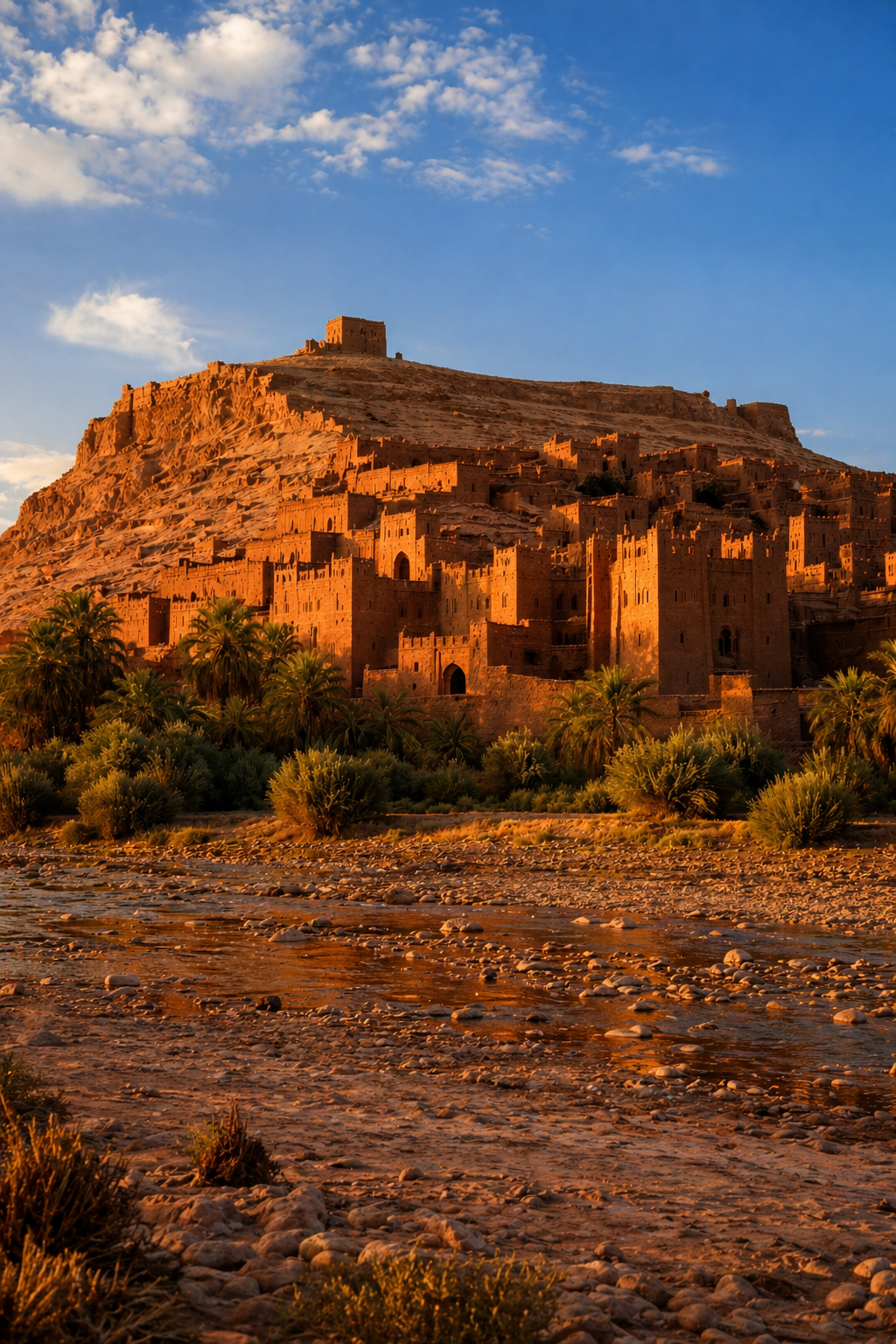
Le guide complet d'Aït Ben Haddou — le ksar le plus emblématique du Maroc, Patrimoine Mondial UNESCO depuis 1987, et lieu de tournage de Gladiator, Game of Thrones, Lawrence d'Arabie et des dizaines d'autres. Tarifs, horaires, meilleurs moments pour la photographie, et comment combiner avec un road
Apr 18, 20269 min
Notre Hébergement
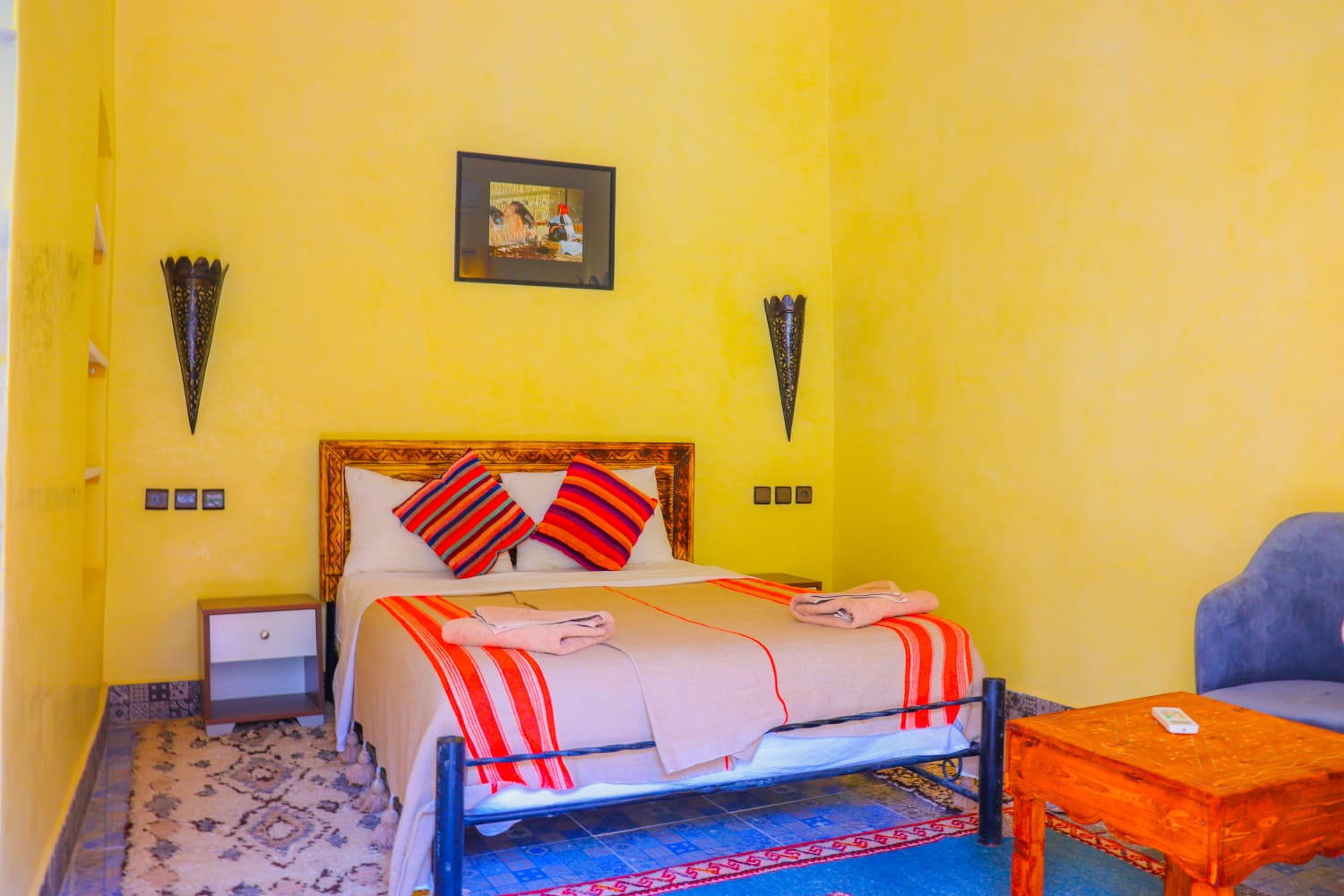
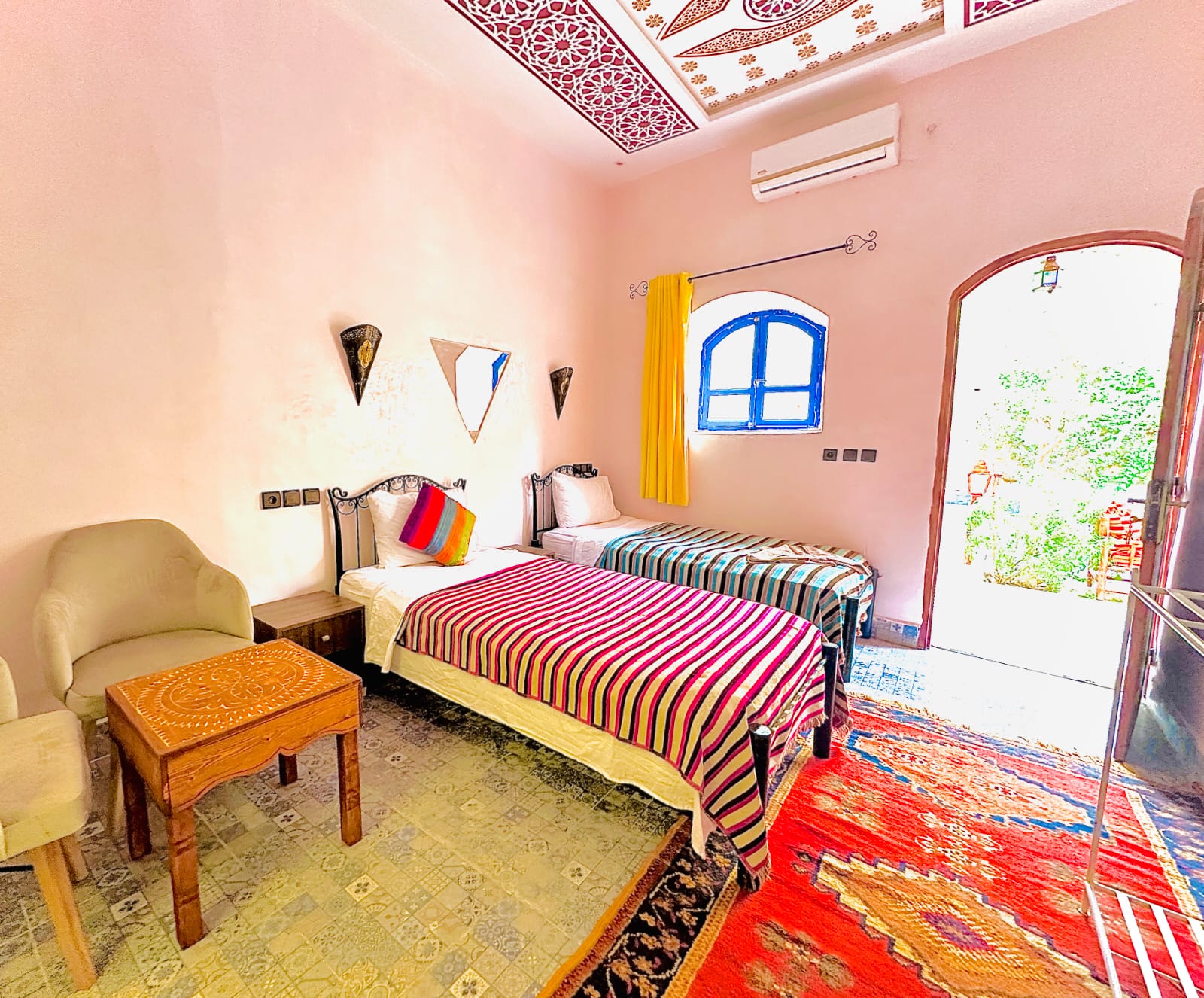
Détendez-vous dans nos chambres magnifiquement décorées avec un design marocain traditionnel et des équipements modernes.