The Marrakech to Zagora 2-day tour departs Marrakech at 7:30am, crosses the High Atlas via Tizi n'Tichka, stops at Aït Ben Haddou (UNESCO ksar, 90 minutes), continues through Ouarzazate, and arrives in Zagora in time for the sunset camel trek. Day two returns to Marrakech via the same route, arriving by evening. The round trip covers approximately 700km and is best done by private vehicle or organised tour.
Introduction
The road from Marrakech to Zagora is one of the great drives in North Africa. It crosses the High Atlas through the Tichka Pass at 2,260 metres, drops into the dramatic pre-Saharan landscape around Ouarzazate, follows the ancient Draa Valley through a near-continuous sequence of kasbahs and palm oases, and ends at the edge of the Sahara — all in 365 kilometres.
Two days is the minimum to do this journey properly. One night in Zagora is not enough time to experience the desert, the souk, the camel trek, and the return with any sense of ease. But two days — with the right itinerary and the right place to stay — gives you everything: the mountain pass, the kasbah towns, the palm grove, the sunset, the stars, and a morning in the desert before the drive home.
This article gives you the complete itinerary: what to see on the way, where to stop, how long each section takes, how to get there (self-drive and bus options), and why La Petite Kasbah in Zagora is the natural base for the overnight stay.
This guide is written for travellers who want to understand the route before booking a packaged tour, or who prefer to plan and drive independently. Both approaches work — the itinerary below applies to either.
|
✦ KEY TAKEAWAYS |
|
› Marrakech to Zagora is 365km via the N9 — approximately 5–6 hours driving without stops, 7–8 hours with the key stops along the way. |
|
› Day 1 covers Marrakech → Tichka Pass → Ouarzazate → Aït Benhaddou → Draa Valley → Zagora (arrival late afternoon). |
|
› Day 2 covers Zagora activities (camel trek, souk, palm grove) → afternoon departure → Marrakech arrival by evening. |
|
› La Petite Kasbah Zagora (hotelzagora.com) is rated 9.3/10 and is the ideal overnight base — pool, rooftop, authentic Moroccan dinner, desert excursions arranged. |
|
› The journey is manageable as a self-drive with a rental car, or as a guided tour — both options are outlined below. |
|
TABLE OF CONTENTS |
|
1. Is 2 Days Enough? Managing Expectations |
|
2. How to Get from Marrakech to Zagora |
|
3. Transport Options Compared |
|
4. Day 1: Marrakech to Zagora — The Route |
|
5. The Key Stops on Day 1 |
|
6. Arriving in Zagora: The First Evening |
|
7. Day 2: Zagora — What to Do in One Full Day |
|
8. Day 2 Afternoon: The Drive Back |
|
9. Where to Stay in Zagora: La Petite Kasbah |
|
10. Practical Tips for the Journey |
Marrakech to Zagora 2-Day Tour: Day by Day
Day 1 — Marrakech to Zagora
- Depart Marrakech 7:30am — early departure is essential. The N9 south through the High Atlas is one of Morocco's most scenic drives and deserves daylight. Loading the journey into the afternoon means arriving in Zagora after dark — missing the camel trek, missing the sunset, missing the point.
- Tizi n'Tichka pass (9am–9:45am) — Morocco's highest paved mountain pass at 2,260m. Stop at the summit viewpoint and at one of the argan oil cooperatives on the descent. 45 minutes total.
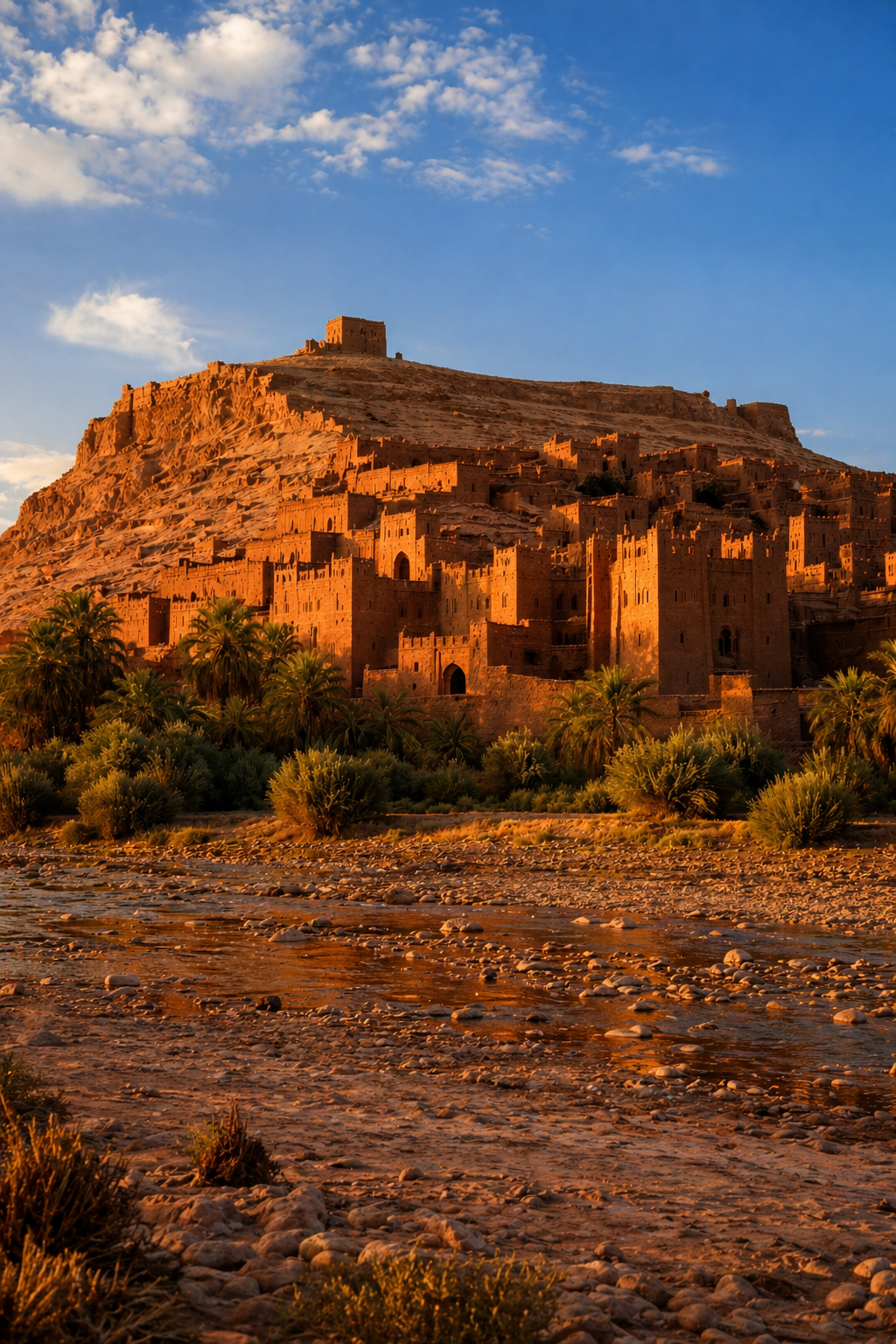
- Aït Ben Haddou (10:30am–12:30pm) — the UNESCO World Heritage ksar, 9km off the N9 before Ouarzazate. Cross the Oued Mellah on foot, explore the earthen towers and lanes with or without a local guide, climb to the granary at the summit for the valley view. Allow 90 minutes minimum.
- Lunch in Ouarzazate (12:30pm–2pm) — the so-called Hollywood of Africa is a practical lunch stop. The Taourirt Kasbah is worth 30 minutes if energy allows. Fuel up the vehicle here.
- Drive Ouarzazate to Zagora (2pm–5pm) — the N9 south crosses the Tizi n'Tinififte pass and enters the Draa Valley at Agdz. The 100km corridor of date palms between Agdz and Zagora is among the most visually extraordinary drives in Morocco — allow time to stop and photograph.
- Arrive Zagora, check in to La Petite Kasbah (5pm) — 30 minutes to settle in.
- Sunset camel trek (5:30pm) — departs from the riad garden at golden hour through the Amezrou palm grove. 90 minutes. This is why you left Marrakech at 7:30am.
- Dinner and rooftop stargazing — dinner at the riad, then the Bortle Class 3 sky overhead. The Milky Way on a clear moonless night.
Day 2 — Zagora and Return to Marrakech
- Breakfast at La Petite Kasbah (8am) — locally sourced: honey, eggs, msemen, amlou, fresh juice. The rooftop. Unhurried.
- Souk visit (if Wednesday or Sunday, 9–10:30am) — Zagora's working market. Dates from the farmer, spices by weight. Otherwise: Amezrou Mellah walk from the riad gate (45 minutes).
- Optional: Tamegroute (9am–12pm) — if the schedule allows, drive 45 minutes south to Tamegroute's Koranic library and pottery workshops. Returns to Zagora by midday.
- Depart Zagora for Marrakech (12pm–1pm) — the return journey covers the same route in reverse. The Draa Valley light in the early afternoon is different from the evening before — worth attention.
- Aït Ben Haddou (late afternoon) — if skipping Tamegroute, a second stop at Aït Ben Haddou in the late afternoon gives the golden hour photography that morning visitors miss. The ksar in the 4–6pm light is a completely different experience from the morning version.
- Arrive Marrakech (8–9pm) — depending on stops.
1. Is 2 Days Enough? Managing Expectations
Two days from Marrakech to Zagora and back is a tight but entirely satisfying itinerary if you manage it correctly. The honest version: you will spend approximately 10–12 hours driving over the two days, leaving you one afternoon, one evening, and one morning in Zagora itself. That is enough for a sunset camel ride, a night at a quality riad, a Moroccan dinner under the stars, a morning in the souk or palm grove, and the drive home.
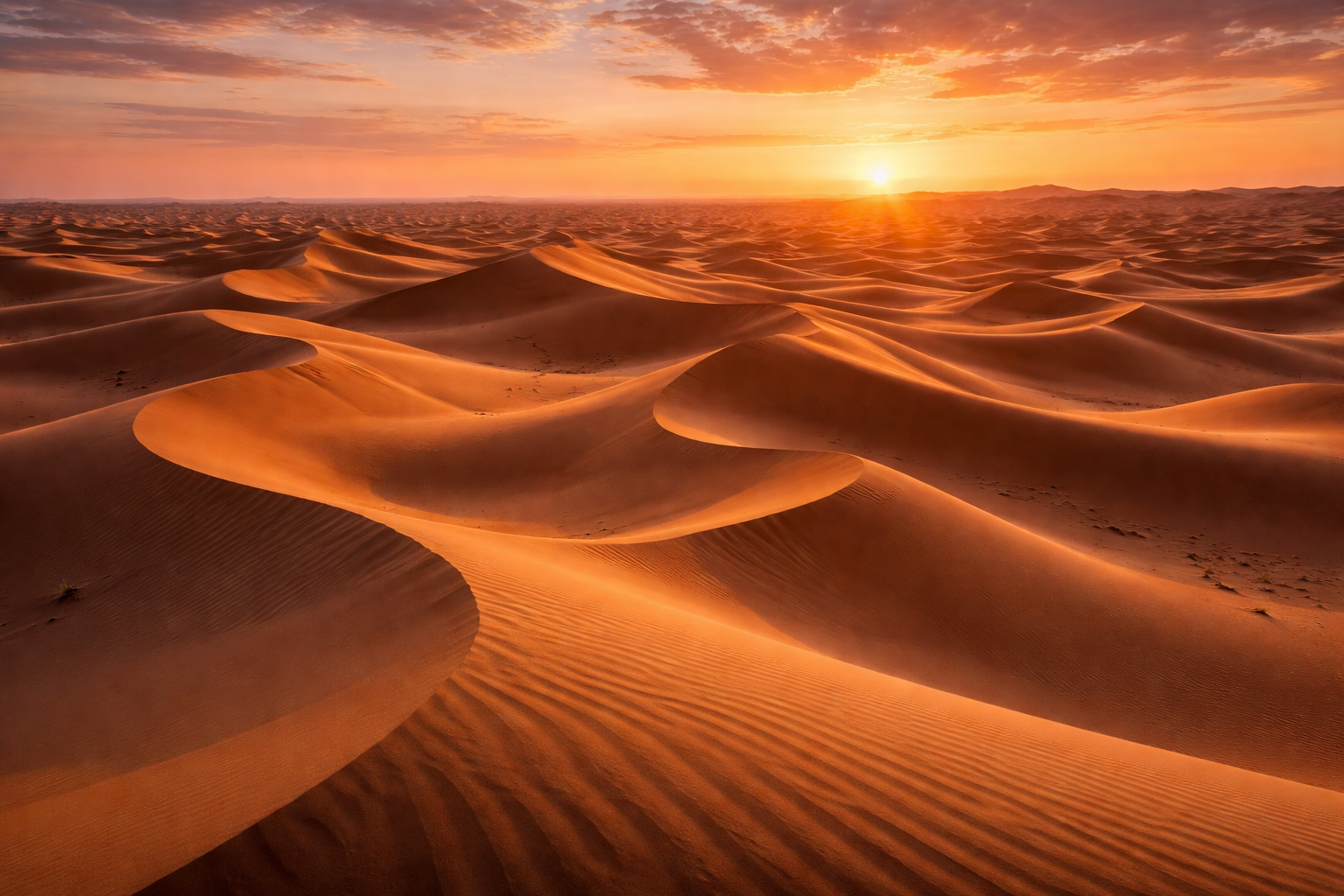
What two days does not allow for: an overnight desert camp at Erg Chigaga, the full Draa Valley road trip north toward Agdz, or a day trip to Tamegroute. If any of those are priorities, extend to three days. But for a first Zagora experience — the desert air, the palm grove, the stars at night, the kasbah atmosphere — two days is genuinely enough.
The most common mistake: spending too long at Aït Benhaddou and Ouarzazate on Day 1, arriving in Zagora after dark, and losing the desert sunset. Budget your Day 1 stops carefully and prioritise arriving in Zagora with at least 90 minutes of light remaining.
"If you are still deciding between Zagora and Merzouga for your Sahara experience, two days from Marrakech makes Zagora the more practical choice."
2. How to Get from Marrakech to Zagora
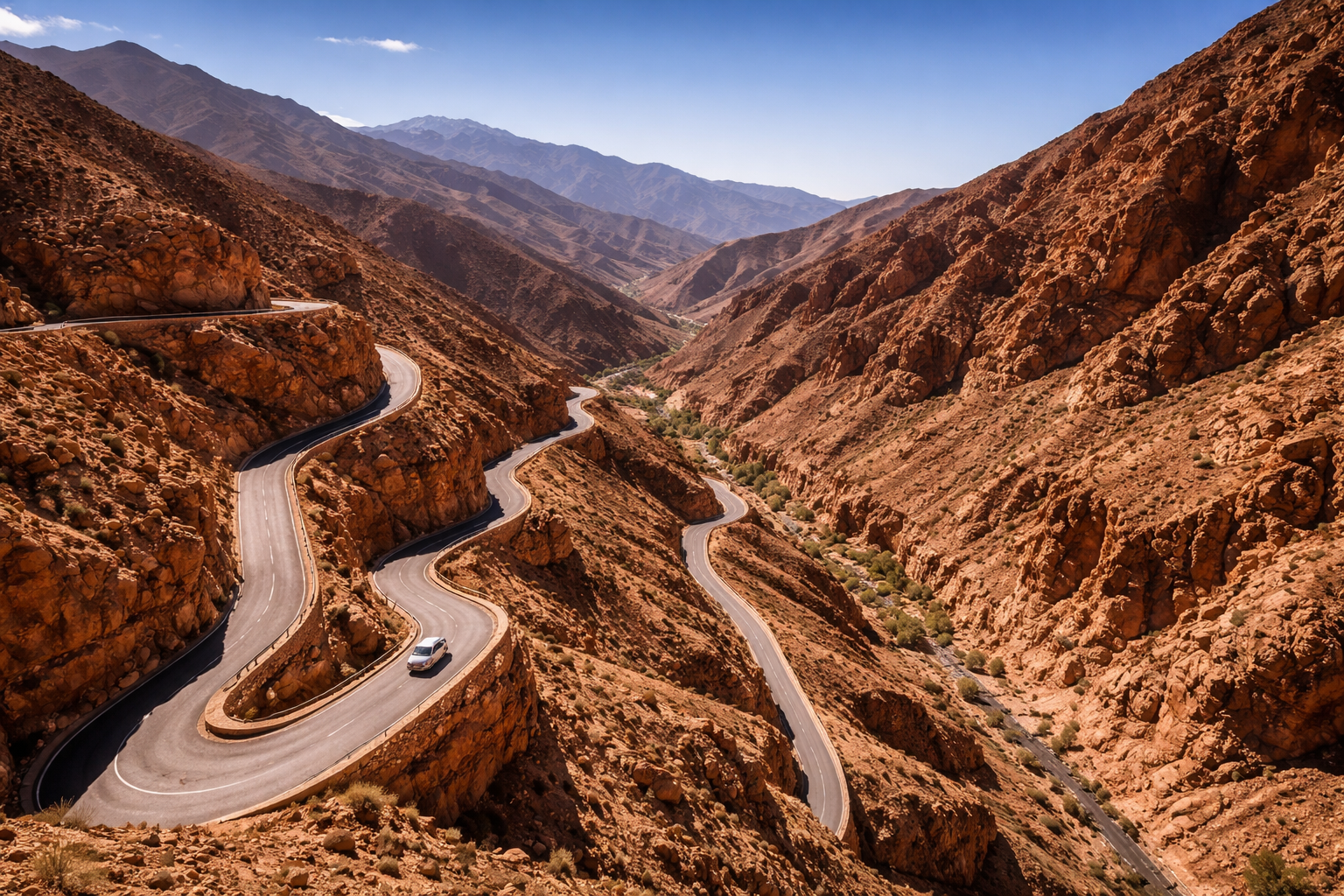
The only road between Marrakech and Zagora is the N9 — there is no alternative route. The road is paved throughout and in generally good condition, though the Tichka Pass section has tight switchbacks and requires careful driving in rain or winter conditions. A standard rental car handles the journey without difficulty outside of winter months.
Distance and Time Breakdown
• Marrakech → Tichka Pass summit: 120km, approximately 1.5 hours
• Tichka Pass → Ouarzazate: 35km, approximately 35 minutes
• Ouarzazate → Aït Benhaddou (detour): 30km round trip, approximately 30 minutes driving plus visit time
• Ouarzazate → Zagora via N9: 165km, approximately 2.5 hours
• Total driving time Marrakech → Zagora: approximately 5–6 hours without stops
• Total with recommended stops: 7–8 hours — depart Marrakech by 8am to arrive Zagora by 4–5pm
3. Transport Options Compared
|
Method |
Journey Time |
Cost (approx.) |
Pros |
Cons |
|
Rental Car |
5–6 hrs |
€40–80/day |
Full flexibility, best stops, return on your schedule |
Requires confidence driving mountain roads |
|
Private Driver |
5–6 hrs |
€150–250 |
Relaxed, knowledgeable driver, no navigation stress |
Higher cost, less spontaneous |
|
CTM Bus |
6–7 hrs |
€15–25 |
Cheap, reliable, direct Marrakech–Zagora |
Fixed schedule, no stops en route |
|
Organised Tour |
2 days |
€200–400pp |
Everything included, guide explains context |
Group pace, fixed itinerary |
|
Transfer + Riad |
5–6 hrs |
€80–120 |
La Petite Kasbah arranges transfer — ask at booking |
One-way only unless return arranged |
Our recommendation: rent a car if you are comfortable driving mountain roads. The journey itself — especially the Tichka Pass and the Draa Valley — is one of the best parts of the experience and deserves the freedom of your own pace. If driving is not your preference, a private driver arranged through La Petite Kasbah is the most comfortable alternative.
4. Day 1: Marrakech to Zagora — The Route
Depart Marrakech no later than 8am to give yourself enough time at the key stops while still arriving in Zagora with afternoon light. The journey south follows the N9 through Tahanaout and begins climbing into the Atlas Mountains almost immediately. The pass builds gradually — small Berber villages, walnut and almond orchards, the road narrowing as it climbs — before cresting at Col du Tichka at 2,260 metres.
|
🚗 DAY 1 — MARRAKECH TO ZAGORA ROUTE PLANNER |
|
08:00 Marrakech — Depart — fill petrol, buy snacks, have breakfast before leaving |
|
09:30 Tichka Pass — Summit at 2,260m — stop for photos of the Atlas panorama (15 min) |
|
10:15 Aït Benhaddou — UNESCO kasbah — 45–60 min visit, then lunch in nearby café |
|
12:00 Ouarzazate — Drive through — brief stop at Taourirt Kasbah if time allows |
|
12:45 N9 South Begins — The Draa Valley unfolds — kasbahs, palmeries, Berber villages |
|
14:00 Agdz — First significant Draa Valley town — tea stop, fossil/carpet shops |
|
15:30 Tamnougalt — Ancient ksar visible from road — worth a brief stop |
|
16:30 Zagora Outskirts — Palm grove of Amezrou appears — almost there |
|
17:00 La Petite Kasbah — Arrival — mint tea, pool, rooftop before sunset |
5. The Key Stops on Day 1
Col du Tichka (2,260m)
The highest paved mountain pass in Morocco. The views from the summit are extraordinary — the High Atlas stretching in both directions, the plateau falling away toward the Sahara to the south. Stop for fifteen minutes at most: there is a small café at the top and a cluster of souvenir stalls, but the main value is the panorama. Photograph south — the landscape you are driving toward is already visible from here.
Aït Benhaddou
One of the most photographed sites in Morocco and a UNESCO World Heritage Site. The ksar (fortified village) of Aït Benhaddou has been used as a film location for dozens of international productions — but the building itself is genuinely ancient and genuinely spectacular. Cross the shallow riverbed on foot (usually dry outside winter — stepping stones provided), climb to the top of the ksar for the view, and allow 45–60 minutes total. Do not miss the bread baked in clay ovens near the entrance.
The Draa Valley (Agdz to Zagora)
The 165km drive from Ouarzazate to Zagora along the N9 is the most beautiful section of the entire journey. The Draa Valley unfolds gradually — first rocky desert, then the palm grove beginning, then a near-continuous sequence of ancient kasbahs and oasis villages. Agdz is the first significant town and worth a brief tea stop. The road follows the river valley south, the desert visible on the flanks, the palm grove dense along the valley floor.
Do not drive this section in a hurry. Pull over when you see a kasbah that catches your eye. The light in the late afternoon turns everything gold. This is the Morocco you came for, and it is better experienced at 60km/h with the windows down than at 120km/h watching the clock.
6. Arriving in Zagora: The First Evening
Arriving at La Petite Kasbah after a 7–8 hour journey from Marrakech is, by multiple guest accounts, one of the most satisfying moments of the entire trip. The mint tea that appears within minutes of arrival, the courtyard, the pool — all of it lands differently when you have driven through the Atlas and the Draa Valley to get here.
The Perfect First Evening Programme
• Arrive by 4:30–5pm — check in, freshen up, change out of driving clothes
• Pool from 5–6pm — the water is at its best in the late afternoon desert light
• Sunset camel trek — departs directly from the riad at 5:30–6pm through the Amezrou palm grove (book in advance through the riad)
• Rooftop terrace from 6:30–8pm — mint tea, the Zagora skyline turning amber, stars beginning to appear
• Moroccan dinner — table d'hôtes in the riad courtyard, tagine and couscous from the family kitchen
• Stargazing from the rooftop — the sky above Amezrou has minimal light pollution
7. Day 2: Zagora — What to Do in One Full Day
Depending on your departure time on Day 2, you have between 4 and 8 hours in Zagora. Here are the best uses of that time, in order of priority for a first visit:
Early Morning: The Souk (Wednesday or Sunday only)
If your visit falls on a Wednesday or Sunday, the Zagora souk is the best possible way to start Day 2. Arrive by 7:30am, spend 90 minutes in the market, buy dates and argan oil, have a bowl of harira and a glass of fresh orange juice at a market stall, and return to La Petite Kasbah for the riad breakfast by 10am. The combination of the souk and the full Moroccan breakfast back at the riad is one of the great mornings in southern Morocco.
Morning: Amezrou Palm Grove and Mellah Walk
A 45–60 minute walk from La Petite Kasbah through the Amezrou palm grove and into the historic Jewish quarter (Mellah) of Amezrou gives you a condensed version of what makes this landscape extraordinary. The Mellah is one of the best-preserved historic Jewish quarters in southern Morocco — the synagogue, the ancient houses, the carved Star of David lintels still visible above doorways. Ask at the riad for the walking route.
Late Morning: Tamegroute (if time allows)
If you have a flexible departure time, the 45km drive south to Tamegroute — home to a 17th-century Koranic library with manuscripts from the 13th century — adds real historical depth to the visit. Two hours round trip including the library visit. Not possible if you need to leave Zagora before noon.
Afternoon: Pool and Rooftop Before Departure
One final pool session before the drive north. The combination of desert heat and cool water means this is not an optional luxury — it resets your energy for the 5–6 hour drive back. Depart no later than 2–3pm to arrive in Marrakech before dark.
8. Day 2 Afternoon: The Drive Back
The return from Zagora to Marrakech follows the same N9 — but in the opposite direction and with different light. The afternoon drive north through the Draa Valley gives you a completely different visual experience from the morning drive south. The kasbahs are lit from the other side. The palm grove looks different. Stopping at a point you missed on the way down costs nothing in time.
|
🚗 DAY 2 — ZAGORA TO MARRAKECH RETURN |
|
14:00 La Petite Kasbah — Departure — final pool, settle bill, collect any purchases |
|
15:30 Agdz — Optional stop — carpet or fossil shops, quick tea |
|
16:30 Ouarzazate — Petrol stop — last reliable fuel before the pass |
|
17:00 Aït Benhaddou — Optional second visit — different light, fewer crowds in late afternoon |
|
18:30 Col du Tichka — Drive the pass — views now looking north toward Marrakech |
|
20:00 Marrakech arrival — Back in the city — dinner in the medina or riad |
Tichka Pass in the evening: driving the pass northbound in the late afternoon gives you the western light on the Atlas faces — completely different from the morning drive. Allow extra time and do not rush this section.
9. Where to Stay in Zagora: La Petite Kasbah
For a two-day Marrakech–Zagora itinerary, the accommodation choice is the single most important decision after the itinerary itself. The difference between a night at La Petite Kasbah and a night at a generic roadside hotel in Zagora is the difference between a memory and a transfer stop.
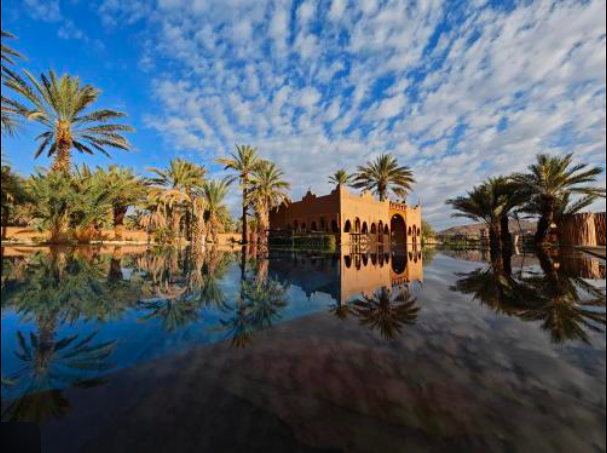
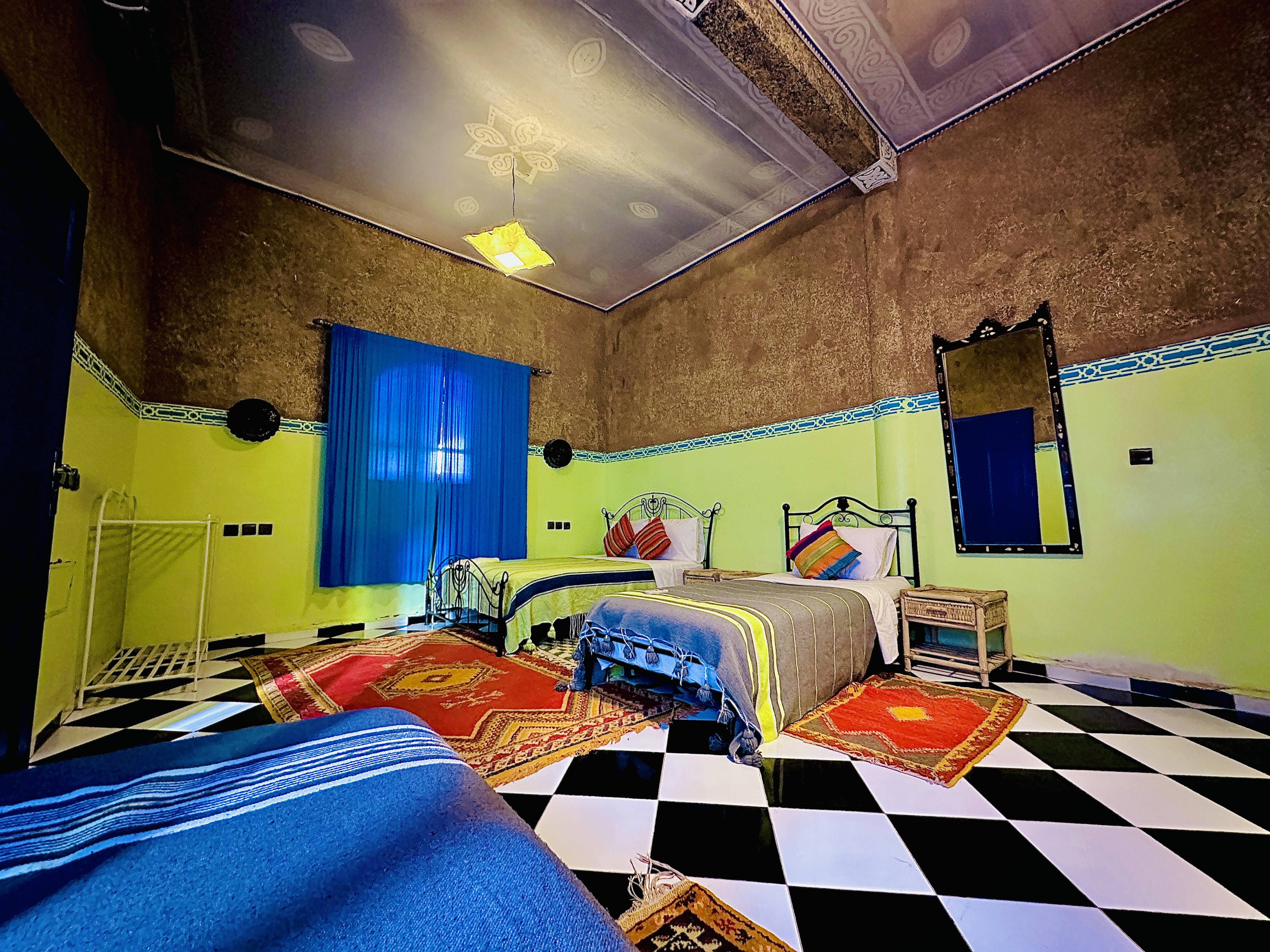
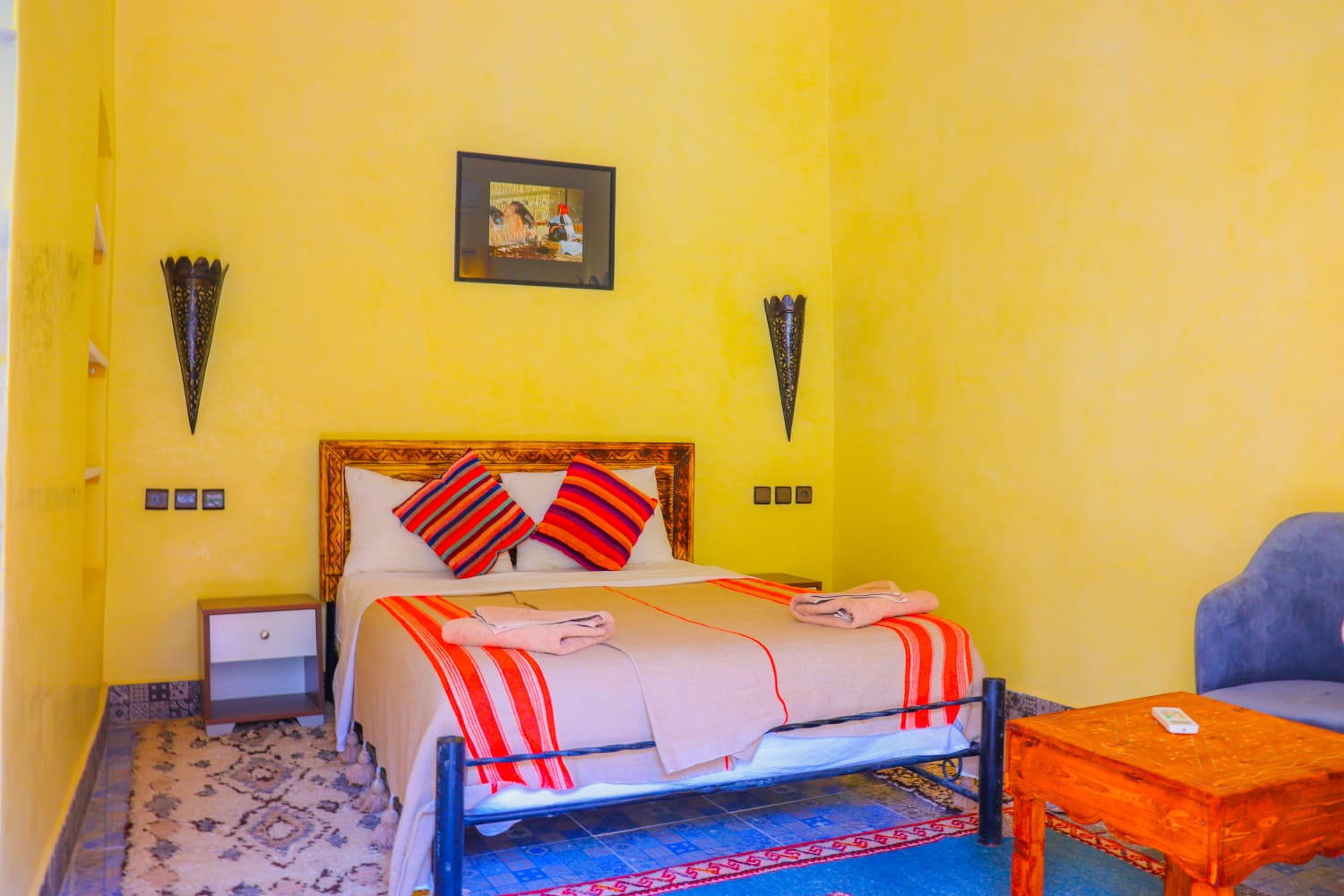
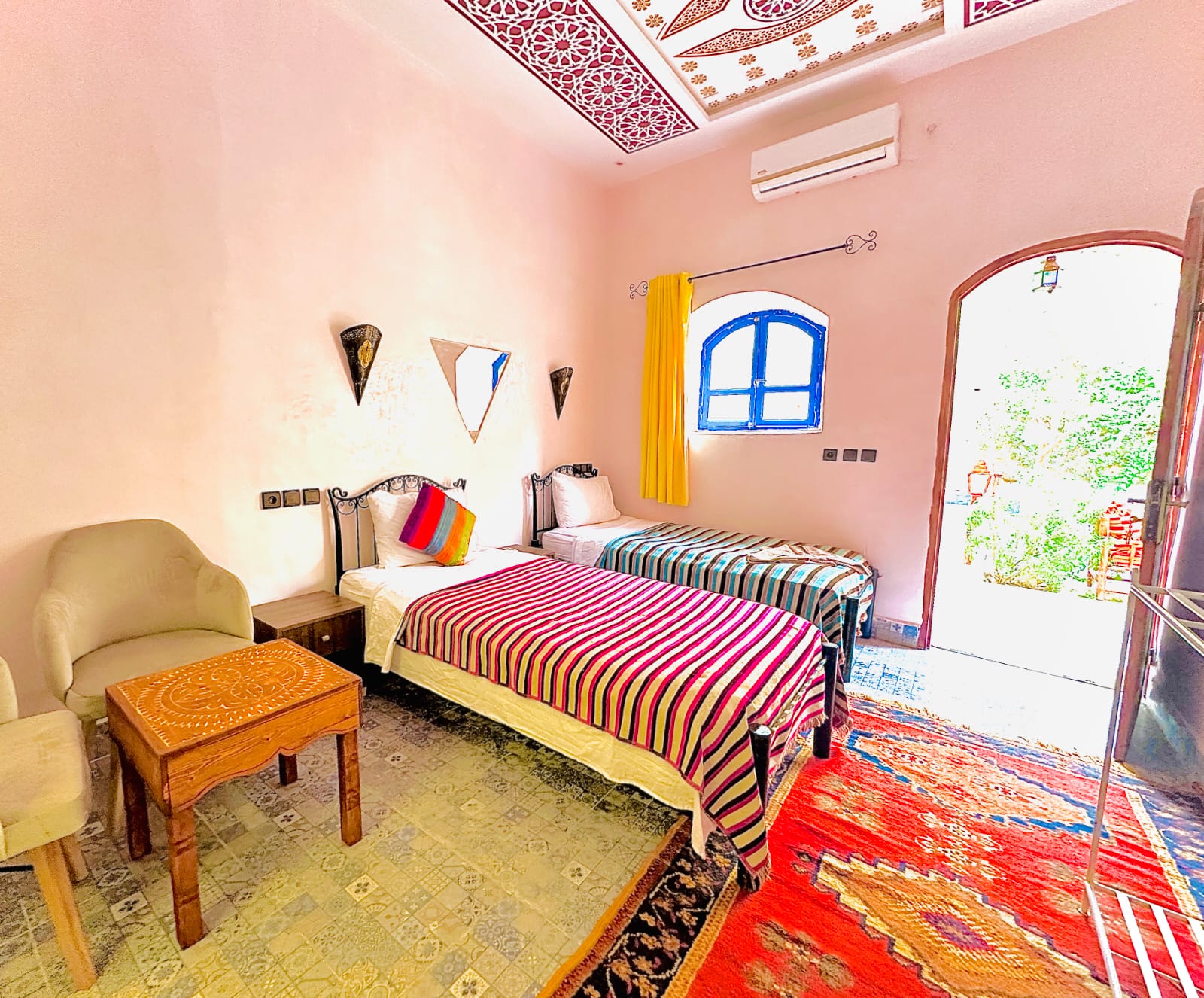
La Petite Kasbah is located in Amezrou — the palm grove village 2km south of Zagora town centre — rated 9.3/10 by international guests, run by award-winning owners Brahim, and consistently described as the best accommodation in the Draa Valley. For a two-day itinerary, it delivers everything you need: a pool for the afternoon heat, a rooftop terrace for the sunset and stars, a camel trek arranged directly, a Moroccan dinner in the courtyard, and a full breakfast before the drive home.
|
✔ |
Arrive by 5pm on Day 1 — enough time for the pool, sunset camel trek, dinner, and stargazing |
|
✔ |
Book camel trek in advance through the riad — departs directly from La Petite Kasbah |
|
✔ |
Souk on Wednesday or Sunday morning adds significant cultural depth to Day 2 |
|
✔ |
Depart no later than 2–3pm on Day 2 — arrives Marrakech before dark |
|
✔ |
La Petite Kasbah rated 9.3/10 — pool, terrace, authentic dinner, desert excursions all arranged on-site |
|
✔ |
Self-drive recommended — rent a car in Marrakech and enjoy the N9 at your own pace |
|
✔ |
The Draa Valley drive (Agdz to Zagora) is as important as the destination — do not rush it |
10. Practical Tips for the Journey
• Petrol: Fill up in Marrakech before departure and again in Ouarzazate. Zagora has petrol stations. There are no reliable stations between Ouarzazate and Zagora except in Agdz.
• Cash: Carry sufficient dirhams — ATMs exist in Ouarzazate, Agdz, and Zagora town but not in smaller villages along the route. The souk and riad excursions require cash.
• Driving the Tichka Pass: The pass road is not difficult in a standard car in dry weather. In rain or winter (December–February), it can be icy at the summit. Check conditions before departure in winter months.
• Timing: Depart Marrakech by 8am at the latest for Day 1. Later departures compress the Draa Valley drive and risk arriving in Zagora after dark.
• Accommodation booking: Book La Petite Kasbah directly at hotelzagora.com as early as possible — the riad has a limited number of rooms and peak season (October–April) fills quickly.
• Phone signal: Signal is good on the N9 through Ouarzazate. It becomes intermittent in the deeper Draa Valley. Download offline maps (Google Maps or Maps.me) before departing Marrakech.
• Food on the road: Aït Benhaddou has good tajine restaurants near the entrance. Ouarzazate has a wide range. Agdz has basic local options. Zagora has restaurants in town but La Petite Kasbah's table d'hôtes dinner is better than most.
Frequently asked Questions
How long is the Marrakech to Zagora 2-day tour?
The 2-day tour covers approximately 700km round trip — 350km each way on the N9 via the Tizi n'Tichka pass and Ouarzazate. Day one is primarily driving (7–8 hours including Aït Ben Haddou and the Draa Valley). Day two is more relaxed — morning in Zagora and a 6–7 hour return drive. The key to making it work is departing Marrakech by 7:30am on day one.
Is a 2-day tour from Marrakech to Zagora worth it?
Yes — but demanding. The drive each way is 6–7 hours, meaning a significant proportion of both days is in a vehicle. The reward is the sunset camel trek on day one and a morning in the palm grove on day two. For travellers with more time, three nights in Zagora is more comfortable and adds the Erg Chigaga overnight desert camp.
What is included in a Marrakech to Zagora 2-day tour?
A typical organised tour includes: private vehicle with driver-guide, stops at Aït Ben Haddou and Ouarzazate, one night at a Zagora riad, sunset camel trek on arrival, breakfast, and return to Marrakech. Some tours include dinner; others charge separately. La Petite Kasbah can recommend trusted operators or arrange a driver for self-organised travellers — contact hotelzagora.com before arrival.
How much does a Marrakech to Zagora 2-day tour cost?
Organised group tours cost 100–250 USD per person. A private vehicle and driver for two costs approximately 1,200–1,800 MAD per day — more expensive per person but fully flexible. Booking La Petite Kasbah directly and arranging a trusted driver through the riad is typically the best-value approach for couples and small groups. Contact hotelzagora.com before arrival.
What are the best stops on the Marrakech to Zagora drive?
The essential stops: Tizi n'Tichka pass summit (45 minutes), Aït Ben Haddou UNESCO ksar (90 minutes minimum), and Ouarzazate for lunch (30–60 minutes). On the return, the Draa Valley between Agdz and Zagora is most beautiful in late afternoon light — kasbahs and palm groves best photographed driving north. Allow time for unscheduled stops along this section.
Can I do the Marrakech to Zagora tour by public bus?
Yes — CTM or Supratours bus runs Marrakech to Zagora directly at 160–240 MAD (7–9 hours). The bus does not stop at Aït Ben Haddou. For a 2-day bus itinerary: day one bus to Zagora, overnight at La Petite Kasbah, day two morning in Zagora and bus return. The most affordable option — book tickets at the Marrakech terminal the day before.
What are the must-see sights on a 2-day Zagora desert tour from Marrakech?
Tizi n'Tichka pass (2,260m summit viewpoint), Aït Ben Haddou UNESCO ksar (90 minutes minimum), Ouarzazate lunch stop, the Draa Valley palm grove corridor between Agdz and Zagora, the Amezrou palm grove sunset camel trek on arrival, and the La Petite Kasbah rooftop Milky Way at midnight. On day two: the Zagora souk (Wednesday or Sunday), the Amezrou Mellah walk, and Tamegroute if time allows.
What activities are included in a Marrakech to Zagora desert tour?
A standard 2-day tour includes: Aït Ben Haddou guided visit, Ouarzazate stop, arrival in Zagora for the sunset camel trek through the Amezrou palm grove, overnight at a riad with locally sourced breakfast, and optional activities on day two — souk visit, Mellah walk, or Tamegroute day trip south. The overnight Erg Chigaga desert camp requires a third night and is arranged separately through La Petite Kasbah.
What are some recommended sights along the Marrakech to Zagora route besides Aït Ben Haddou?
The Tizi n'Tichka mountain pass at 2,260m with its argan cooperative viewpoints. The Taourirt Kasbah in Ouarzazate — a former Glaoui clan palace open to visitors, worth 30–45 minutes. Agdz and the Tamnougalt kasbah at the entry to the Draa Valley. The 100km palm grove corridor between Agdz and Zagora — stop anywhere along the N9 for kasbah photography in the afternoon light.
What are the typical costs for a 2-day Marrakech to Zagora desert tour?
Organised group tours: 100–250 USD per person including transport, Aït Ben Haddou stop, one riad night, breakfast, and camel trek. Private vehicle and driver for two: 1,200–1,800 MAD per day (€112–168). Booking La Petite Kasbah directly and arranging a trusted driver through the riad is the best-value approach for couples — typically 20–30% cheaper than booking an equivalent organised tour through a Marrakech agency.
What is the typical journey time from Marrakech to Zagora?
By car with stops at Tizi n'Tichka and Aït Ben Haddou: 8–9 hours total including 90 minutes at the ksar and a lunch stop in Ouarzazate. Non-stop driving only: 6–7 hours. By CTM or Supratours bus (no stops): 7–9 hours. Depart Marrakech by 7:30am to arrive in Zagora in time for the 5:30pm sunset camel trek — the timing that makes the 2-day itinerary work.
What should I pack for a 2-day desert tour from Marrakech?
The essentials: lightweight layers for temperature swings, a wide-brim hat, SPF 50+ sunscreen, a reusable 2-litre water bottle, comfortable closed-toe shoes, a headscarf, a headlamp, and cash in Moroccan Dirhams. For the overnight Erg Chigaga camp, add a warm jacket and warm socks — temperatures drop below 10°C after the fire dies. Full packing list at hotelzagora.com/blog/what-to-pack-morocco-desert-zagora.
How can I get from Marrakech to Zagora?
Five options: CTM or Supratours bus (160–240 MAD, 7–9 hours), shared grand taxi (two stages via Ouarzazate), private taxi (800–1,200 MAD per vehicle, 5–6 hours), rental car (full flexibility on the N9), or organised 2-day tour. The complete comparison including costs, journey times, and booking advice is at hotelzagora.com/blog/how-to-get-from-marrakech-to-zagora.
Tell me more about Aït Ben Haddou
Aït Ben Haddou is a UNESCO World Heritage ksar (fortified village) 9km off the N9 before Ouarzazate — the finest surviving example of southern Moroccan earthen architecture and the filming location for Gladiator, Game of Thrones, and Lawrence of Arabia. Allow 90 minutes minimum. The complete visitor guide including entry fees, best photography timing, and the film location history is at hotelzagora.com/blog/ait-ben-haddou-morocco-visitor-guide.
What activities are offered during an overnight desert camp?
The overnight Erg Chigaga camp includes: arrival at the dunes mid-afternoon, sunset from a high dune crest, campfire dinner cooked by a local Amazigh cook, Milky Way stargazing when the fire dies, sleeping in a traditional Berber tent, and the dune sunrise at 5:30am. Full description of the overnight experience at hotelzagora.com/blog/sleeping-under-sahara-stars-overnight-desert-camp-experience.
How do Zagora and Merzouga desert camps compare?
Zagora camps access Erg Chigaga — Morocco's largest and most remote dune field, 120km by 4x4 with very low visitor numbers. Merzouga camps sit directly on Erg Chebbi — immediately accessible by road, higher visitor numbers, more accommodation options. Erg Chigaga is darker (Bortle Class 2), larger, and more solitary. Full comparison at hotelzagora.com/blog/zagora-vs-merzouga-which-is-better.
What is the landscape difference between Zagora and Erg Chebbi?
Zagora's Erg Chigaga dunes are pale gold, up to 300m high, accessible only by 4x4, surrounded by the vast flat hammada stone desert. Erg Chebbi near Merzouga is orange-red, up to 150m high, directly accessible by paved road. Both are genuine Saharan dune fields — the difference is scale, remoteness, and access. Full comparison at hotelzagora.com/blog/erg-chigaga-morocco-desert-camp-guide.
|
Book La Petite Kasbah for Your Marrakech–Zagora 2-Day Tour Rated 9.3/10. Pool, rooftop terrace, sunset camel trek, and authentic Moroccan dinner — the perfect overnight base for the Draa Valley road trip. |