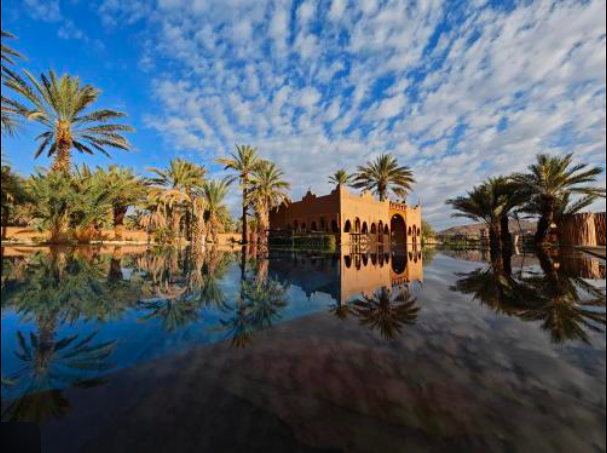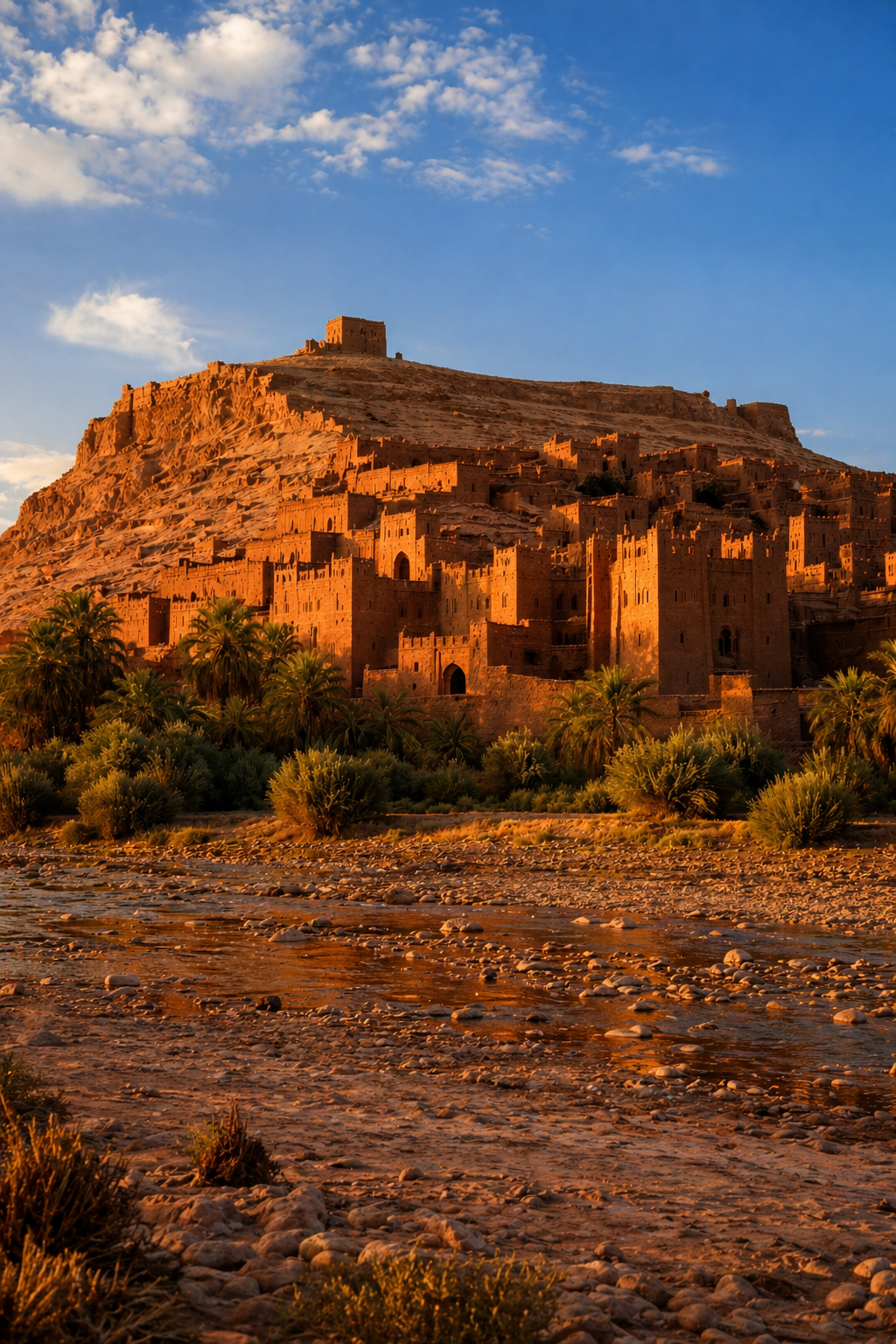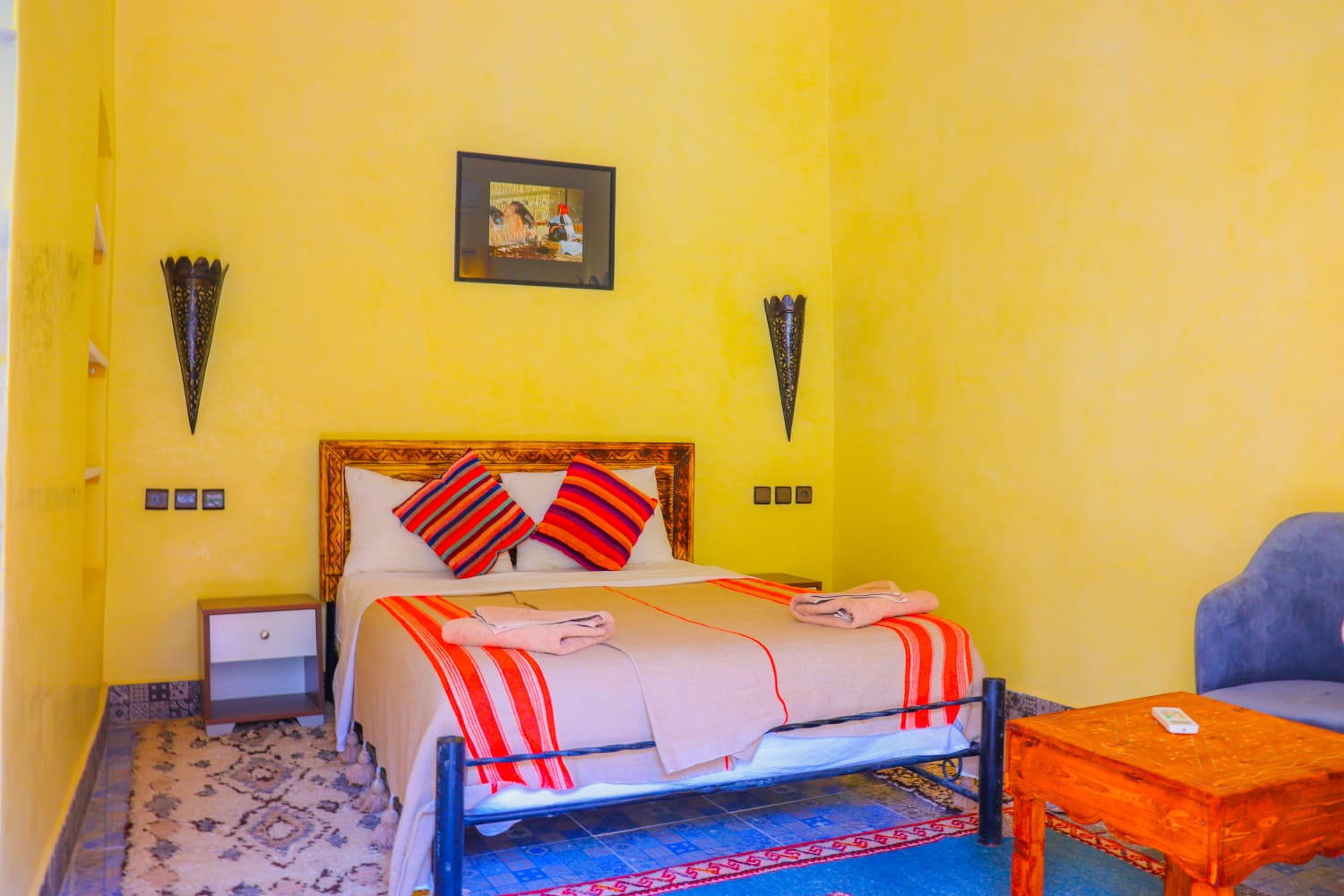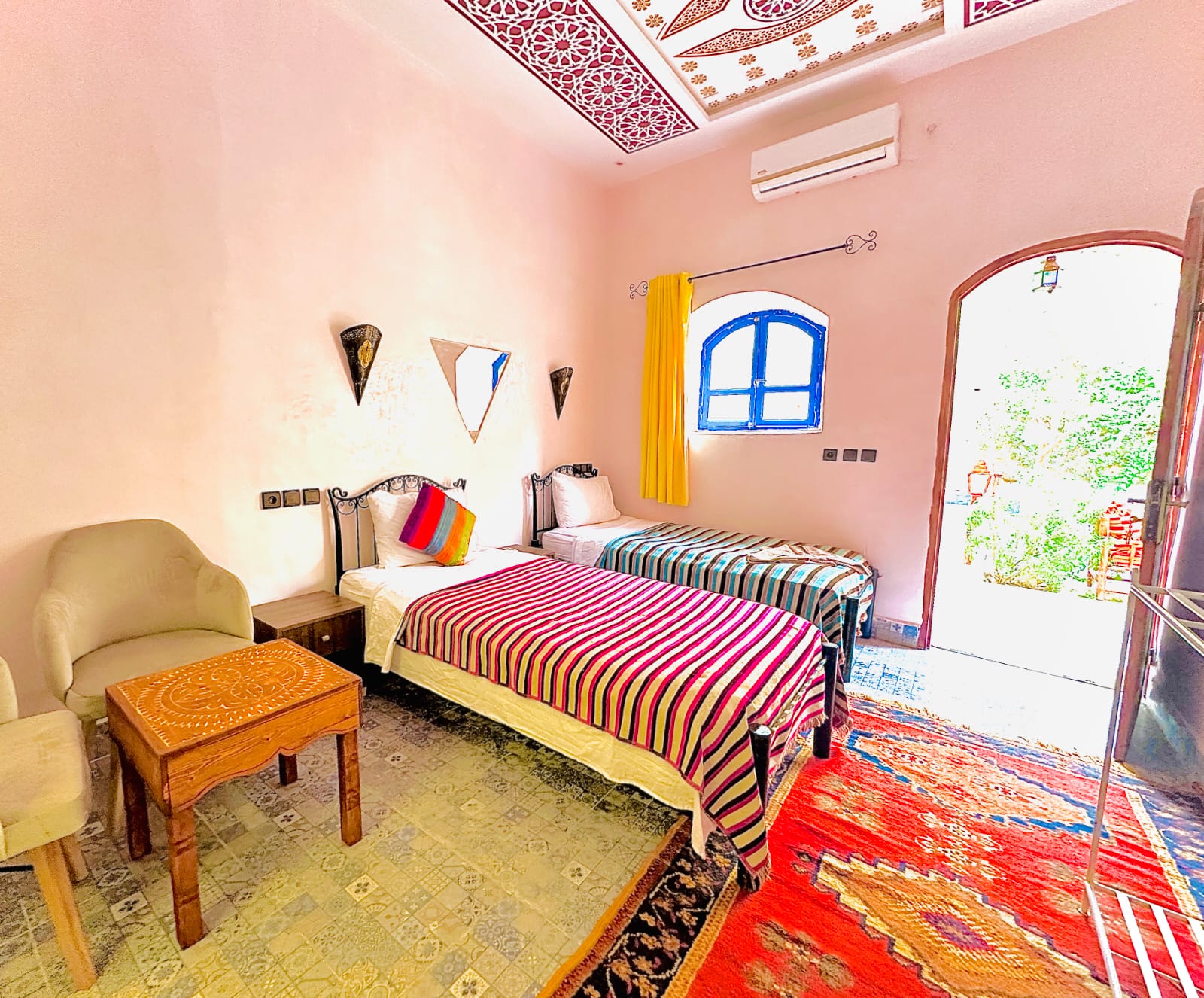
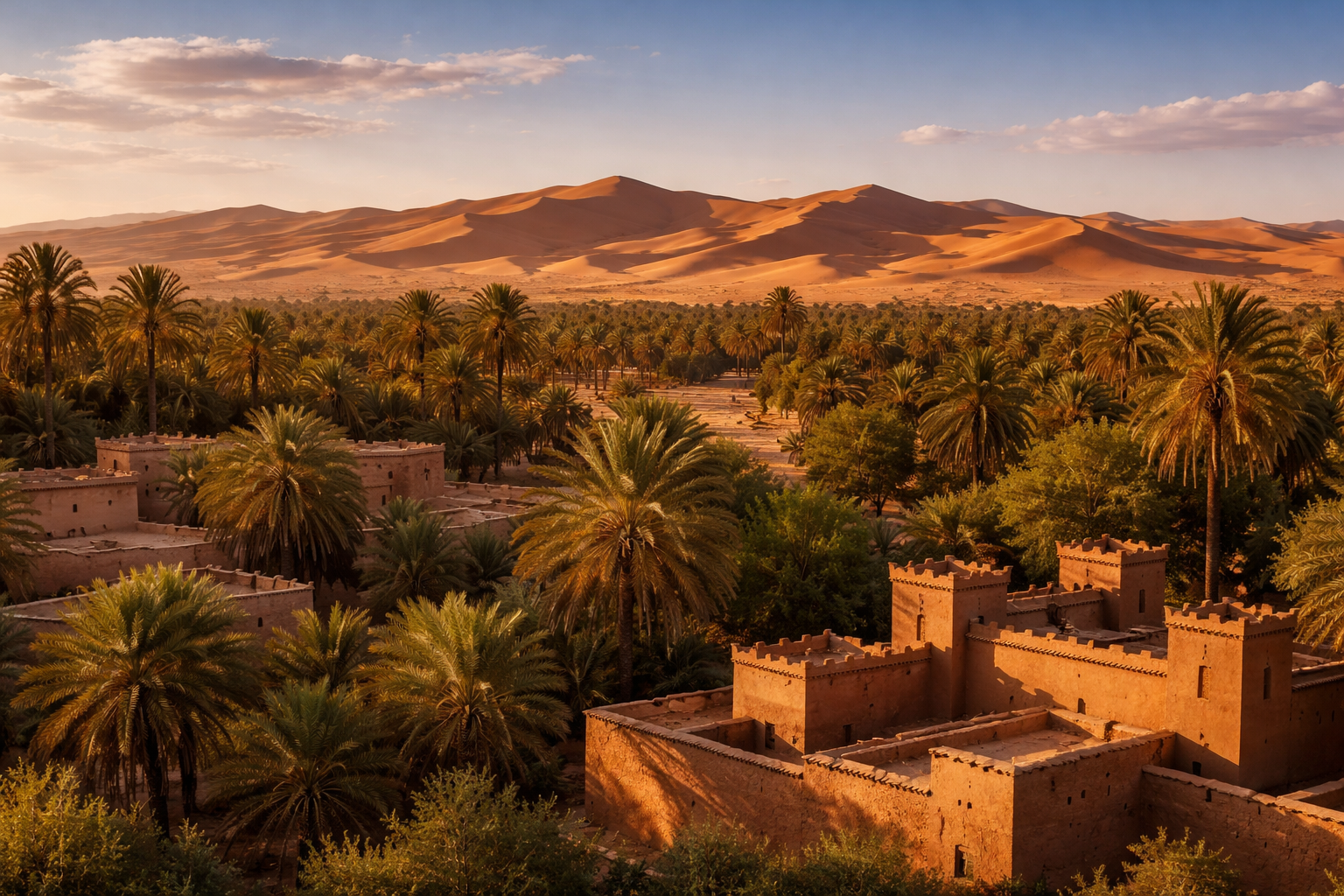
The Zagora region sits at the edge of the Sahara, and the climate behaves accordingly: extreme heat in summer, cool and occasionally cold winters, and two relatively brief but magnificent windows of near-perfect travel weather in autumn and spring. Getting the timing right makes a significant difference to the experience — not just in terms of comfort but in the quality of the light, the activity of the markets, the state of the desert, and the depth of the overall visit.
This guide gives you honest, specific, month-by-month information based on the actual conditions at Zagora — not generic Morocco weather data. La Petite Kasbah hosts guests year-round and Brahim and Rhizlane have observed every season in detail. What follows is what they know.
|
✦ KEY TAKEAWAYS |
|
› The best months are October, November, and March — ideal temperatures, excellent light, and the souk and desert at their most rewarding. |
|
› April and September are shoulder season — warmer but manageable, fewer tourists, some great deals on accommodation. |
|
› June, July, and August are difficult — daytime temperatures exceed 40°C regularly, desert excursions are dangerous at midday. |
|
› December and January are cold at night (near 0°C) — a different but valid experience; perfect for clear stargazing and empty markets. |
|
› The Wednesday and Sunday souk runs year-round regardless of season. |
|
TABLE OF CONTENTS |
|
1. Quick Overview: Zagora Month by Month |
|
2. The Best Season: October, November & March |
|
3. Spring: March and April |
|
4. Summer: May to September |
|
5. Autumn: October and November |
|
6. Winter: December to February |
|
7. Special Events and Festivals |
|
8. Desert Activities by Season |
|
9. Who Should Visit When |
|
10. Booking Advice by Season |
1. Quick Overview: Zagora Month by Month
|
Month |
Avg High |
Rain |
Rating |
Notes |
|
January |
18°C |
Low |
★★★☆☆ |
Cool days, cold nights — good for culture, souk, and stargazing |
|
February |
21°C |
Low |
★★★☆☆ |
Warming up — almond blossom in Atlas on the drive south |
|
March |
25°C |
Low |
★★★★★ |
BEST — perfect temperature, great light, dunes at their finest |
|
April |
30°C |
Low |
★★★★☆ |
Warm but manageable — still excellent for all activities |
|
May |
35°C |
Rare |
★★★☆☆ |
Getting hot — morning activities only, avoid midday desert |
|
June |
40°C |
None |
★☆☆☆☆ |
AVOID — dangerously hot midday, desert excursions difficult |
|
July |
43°C |
None |
★☆☆☆☆ |
AVOID — hottest month, not recommended for desert activities |
|
August |
42°C |
None |
★☆☆☆☆ |
AVOID — still extreme, occasional sandstorms (chergui wind) |
|
September |
37°C |
Rare |
★★☆☆☆ |
Cooling slowly — still hot but bearable in mornings and evenings |
|
October |
30°C |
Rare |
★★★★★ |
BEST — ideal temperature, warm days, cool nights, dunes perfect |
|
November |
24°C |
Low |
★★★★★ |
BEST — lower tourist numbers, exceptional light for photography |
|
December |
19°C |
Low |
★★★☆☆ |
Cool, quiet, excellent stargazing — cold desert nights |
Green rows indicate the peak travel months. Amber indicates shoulder season — good but with caveats. Red indicates months to approach with caution or avoid for desert activities specifically.
2. The Best Season: October, November & March
October, November, and March are unanimously the best months to visit Zagora for the following specific reasons:
• Temperature: Daytime highs between 24–30°C — warm enough for the pool and desert excursions, cool enough to be genuinely comfortable on a camel or walking the souk.
• Nights: 10–18°C — cool enough for a warm layer, cold enough to make the riad dinner by fire genuinely atmospheric, warm enough not to be uncomfortable camping.
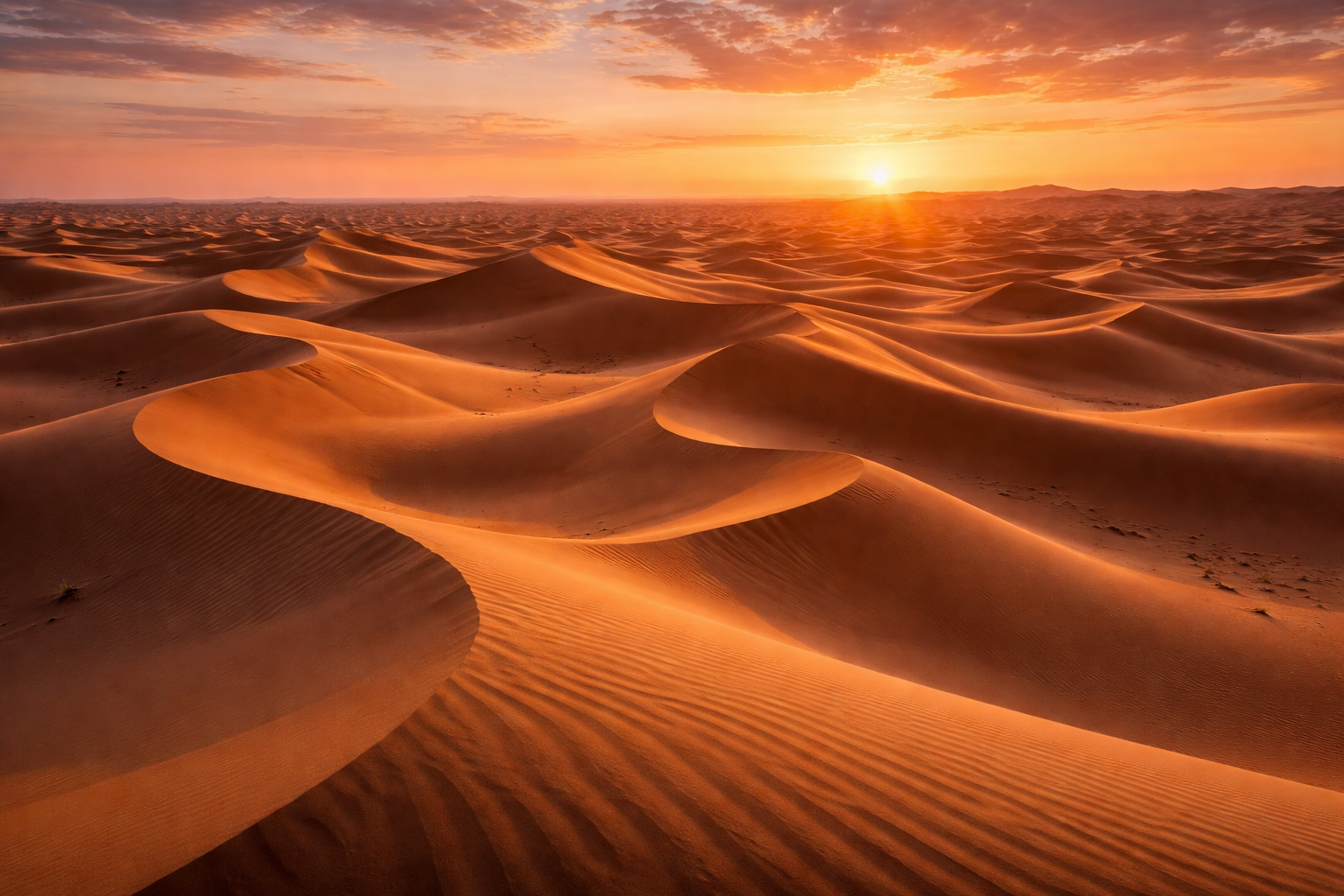
• Light: The low sun angle in October–November and March produces the most dramatic desert photography light. The dunes in late afternoon at this time of year are spectacular.
• Visibility: No dust haze — the summer sandstorms and heat shimmer are absent. The Atlas Mountains are visible from Zagora on clear days.
• Tourist numbers: October and November have fewer tourists than April. March has moderate numbers. Neither month is overrun.
• Souk: The Wednesday and Sunday markets are at their best — full stalls, local produce at peak, dates in full harvest season (October–November specifically).
• Desert conditions: Erg Chigaga at this time is as good as it gets — the dunes are well-shaped by autumn winds, the hammada crossing is comfortable, and the overnight camp temperature is manageable.
November specifically: November is underrated. Tourist numbers are 20–30% lower than October while the conditions are virtually identical. If your schedule is flexible, the first two weeks of November are the single best window for a Zagora visit — low crowds, exceptional light, and La Petite Kasbah at its most relaxed and personal.
3. Spring: March and April
March — Outstanding
March is the spring equivalent of October. Temperatures are ideal — warming from cool mornings to comfortable afternoons, rarely exceeding 28°C in early March. The Draa Valley is at its greenest after the winter months, the date palms have new growth, and the desert landscape has been refreshed by cooler conditions. The Tichka Pass drive from Marrakech in March is particularly dramatic — snow still visible on the higher peaks alongside the almond blossom below.
April — Very Good
April is excellent but warmer — daytime highs reach 30–33°C by mid-month. This is still well within the comfortable range for all activities including full-day desert excursions, but you will want to schedule the most exposed activities (dune climbing, Erg Chigaga) for early morning or late afternoon rather than midday. April has good tourist numbers — enough to feel lively without being overcrowded. The souk is particularly busy in April.
April watch-out: the Moussem of Tan-Tan (an important regional nomadic festival) occasionally falls in April and can affect accommodation availability in the wider region. Check dates when planning.
4. Summer: May to September
May — Transitional
May marks the beginning of the difficult season. By mid-May, midday temperatures in Zagora regularly exceed 35°C and can touch 38°C. Morning activities (before 10am) and evening activities (after 5pm) remain excellent — the souk, the palm grove walk, the sunset camel trek all work well. Full-day Erg Chigaga excursions should be modified to avoid the 11am–4pm window. The pool becomes essential rather than optional.
June, July, August — Approach with Care
These are the hardest months. Temperatures routinely exceed 40°C and peak at 45°C in July. The chergui wind — a hot, dry easterly that carries fine desert dust — occasionally blows in August, reducing visibility and making outdoor activities genuinely unpleasant. The overnight desert camp experience is actually somewhat improved in summer (the nights are warm and comfortable without extra layers, and the stars are still spectacular) but the daytime journey to Erg Chigaga becomes a physical challenge.
La Petite Kasbah remains open in summer and some guests specifically choose July–August for the quiet, the lower prices, and the specific intense beauty of a summer Sahara. But it requires honest planning: all outdoor activities before 10am or after 5pm, a full afternoon retreat to the pool and shade, and significant water consumption throughout.
Summer reframe: if summer is your only option, focus on the cultural activities — Tamegroute in the morning cool, the souk at dawn, the Mellah walk before 9am — and treat the afternoon heat as an invitation to the pool and rooftop shade. The riad is at its most atmospheric in summer evenings.
September — Recovering
September sees temperatures begin to fall — from 40°C+ in early September to a more manageable 35°C by month's end. The first two weeks remain difficult for desert excursions. The final week of September and first week of October represent the transition into peak season — conditions improve rapidly and the light begins its autumn transformation. If you can reach Zagora in the last week of September, you will find near-peak conditions with significantly reduced tourist numbers.
5. Autumn: October and November
Autumn is the finest season in the Zagora region. The summer heat breaks in early October — often almost overnight, as if a switch has been flipped. Within days of the temperature dropping, the desert landscape comes alive in a different way: the haze lifts, the colours intensify, and the quality of the light changes to something that photographers describe as impossible to reproduce artificially.
October dates in Zagora also coincide with the date harvest. The palm groves around Amezrou and along the Draa Valley are heavy with Medjool and Boufeggous dates from late September through November. The Wednesday and Sunday souk in October is particularly spectacular — mountains of fresh dates, local producers from the surrounding oasis villages, the full atmosphere of a productive harvest market. If you can time your visit to a souk day in October, you will witness one of the finest weekly markets in southern Morocco.
|
✓ Why October & November are the Best Months |
|
› Temperatures 24–30°C — ideal for every activity including full-day desert excursions |
|
› Date harvest in full swing — the souk is exceptional in October and early November |
|
› The best photography light of the year — low sun angle, no haze, extraordinary colours |
|
› Erg Chigaga at its finest — well-shaped dunes, comfortable hammada crossing, perfect camp temperatures |
|
› November has lower tourist numbers than October while conditions are identical |
|
› The Atlas peaks are often snow-dusted — visible from Zagora on clear November days |
|
› Overnight camp temperatures are comfortable — a sleeping bag and blanket are enough |
6. Winter: December to February
Winter in Zagora is a genuinely different experience — not worse, but different. Days are mild and often sunny (18–21°C average), making the souk, the palm grove, and Tamegroute all very comfortable. Nights drop to 5–10°C and can occasionally touch near-freezing in January. The desert camp overnight in winter requires warm sleeping equipment and a proper sleeping bag, but the rewards are significant: the most spectacular stargazing of the year (cold, dry air with the Milky Way at its zenith), and the complete absence of other tourists at Erg Chigaga.
January and February are the quietest months at La Petite Kasbah. Brahim and Rhizlane are at their most available — able to personalise every element of the visit without the pressures of peak season. The riad has a different atmosphere in winter: the fire in the courtyard, the tagine served indoors, the smaller number of guests creating a genuinely intimate environment. Several guests who have visited in multiple seasons describe winter as their favourite, precisely because of this intimacy.
|
◈ Winter Considerations — What to Know Before You Go |
|
› Days are mild (18–22°C) and comfortable for all cultural activities and souk visits |
|
› Nights are cold — 5–10°C in December, potentially near-freezing in January — bring warm layers |
|
› Overnight desert camp requires a proper sleeping bag rated to 0°C minimum |
|
› The Tichka Pass (Marrakech–Zagora drive) can have snow or ice in December–January — check conditions |
|
› Winter has the best stargazing of the year — cold, dry, clear air and long nights |
|
› Lowest tourist numbers of the year — La Petite Kasbah is quieter and more personal |
|
› Some smaller restaurants in Zagora town close in January — the riad dinner becomes even more important |
|
|
7. Special Events and Festivals
• Moussem de Tan-Tan (variable — April/May): A major nomadic heritage festival held in the wider region, declared UNESCO Intangible Cultural Heritage. Brings together Saharan and Sahel tribes for music, poetry, and traditional crafts. Check exact dates annually as these vary.
• Date Harvest (October–November): Not a festival per se but the most important agricultural event of the year in the Draa Valley. The souk in October is transformed by the harvest and the palm grove activity reaches its annual peak.
• Eid Al-Adha (lunar calendar — varies annually): A significant Islamic celebration affecting the souk calendar and some business hours. If your visit coincides, expect a quieter souk day and a more intimate riad experience with family celebrations visible in the village.
• Ramadan (lunar calendar — varies annually): Ramadan in Zagora means a quieter daytime atmosphere and a transformed evening: markets and activity peak after iftar (sunset meal). Not a reason to avoid Zagora — it is a fascinating time to visit — but expect different rhythms.
8. Desert Activities by Season
• Camel trekking: Best October–April. Manageable May and September (morning only). Difficult June–August but sunset rides are still enjoyable.
• 4x4 Erg Chigaga full day: Best October–April. Possible May and September with careful timing. Not recommended June–August for full-day format — heat exhaustion risk.
• Overnight desert camp: Best October–April. Unique experience in winter (cold but spectacular). Summer camps have warm nights — a specific appeal for some travellers.
• Tamegroute visit: Year-round — always comfortable in the morning. Even in summer, a 7–9am Tamegroute visit is perfectly pleasant.
• Souk: Year-round every Wednesday and Sunday. Best October–November for dates. Best March–April for variety and energy. Quietest but still interesting December–February.
• Stargazing from rooftop: Best October–March when nights are long and clear. June–August also excellent (warm, clear) but shorter nights.
• Swimming pool: Best May–September — the pool is at its most needed and most used. In October–April the pool is less essential but still pleasant in the midday warmth.
9. Who Should Visit When
• First-time visitors: October or March — you will experience Zagora at its best and have the full range of activities available to you.
• Photographers: November — the lowest light, lowest crowds, and most dramatic desert conditions. Combine with a 4x4 Erg Chigaga trip at dawn.
• Families with children: March or October — comfortable temperatures for all ages, camel treks manageable, pool pleasant. Avoid July–August with children.
• Couples and honeymooners: November or February — low tourist numbers, intimate atmosphere at the riad, and the desert nights at their most private.
• Budget travellers: December–February or June–September — significantly lower accommodation rates, though summer requires heat management.
• Culture seekers: October (for the harvest souk) or Ramadan (for the transformed evening atmosphere) — both offer a depth of cultural experience not available at other times.
• Desert purists: November — Erg Chigaga with virtually no other visitors, the dunes in their best condition, and cold clear nights under the Milky Way.
10. Booking Advice by Season
La Petite Kasbah is a small property with a limited number of rooms. The pattern of bookings follows the seasonal quality closely:
• October and March: Book 6–8 weeks in advance. These months fill quickly, especially for weekend arrivals.
• November: Book 3–4 weeks in advance. Less pressure than October but still worth securing early for the best room selection.
• April: Book 4–6 weeks in advance. Easter period specifically can fill 2–3 months out — check if your dates coincide.
• December–February: Often available with 1–2 weeks' notice — but booking in advance is still recommended to ensure activity availability (guides and 4x4 operators also need notice).
• June–September: Generally available at short notice, with the best rates of the year. Confirm activity availability in advance as some guides reduce their summer schedule.
To book: contact La Petite Kasbah directly at hotelzagora.com. When booking, mention your planned activities — Brahim and Rhizlane will advise on the best timing within your available window and confirm guide and desert camp availability before you confirm.
|
✔ |
Best months: October, November, and March — ideal temperatures, light, dunes, and souk activity |
|
✔ |
Shoulder season: April and September — still excellent, slightly fewer crowds and lower prices |
|
✔ |
Winter (Dec–Feb): cold nights but exceptional stargazing, empty desert, intimate riad atmosphere |
|
✔ |
Summer (Jun–Aug): manageable with planning but desert excursions require careful morning/evening timing |
|
✔ |
October souk is exceptional — the date harvest transforms the Wednesday and Sunday market |
|
✔ |
November is the single best underrated month — October conditions, 20–30% fewer tourists |
|
✔ |
Book via hotelzagora.com — mention your dates and planned activities for personalised advice |
|
Plan Your Zagora Visit with La Petite Kasbah Rated 9.3/10. Brahim and Rhizlane will advise on the best time for your specific travel dates, group, and interests. Book directly for the best rate. |